


Supply Chain Management At World Co Ltd Pdf Writer
29.09.2019
This paper introduces methods for increasing the efficiency of retail store liquidation, which we define as the time-constrained divestment of retail outlets through an in-store sale of inventory. The retail industry depends extensively on liquidation, not only as a means for investors to recover capital from failed ventures, but also to allow managers of going concerns to divest stores in efforts to enhance performance and to change strategy. The operations literature has examined product liquidation, but retail store liquidation differs significantly. This paper augments the literature by introducing techniques for improving operating decisions during retail store liquidations and by demonstrating the performance of these methods in the field. To set inventory service levels, suppliers must understand how changes in inventory service level affect demand. We build on prior research, which uses analytical models and laboratory experiments to study the impact of a supplier’s service level on demand from retailers, by testing this relationship in the field. We analyze a field experiment at the supplier Hugo Boss to determine how the supplier’s inventory service level affects demand from its retailer customers.
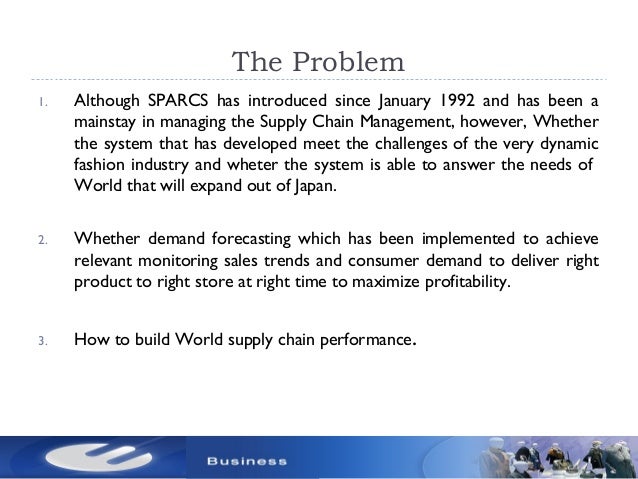
Supply Chain Management at World Co. Case study solution, Supply Chain Management at World Co. Case study analysis, Subjects Covered Inventory management. Electrical Appliances Co, Ltd. Supply Chain Management. Supply Chain Organizational Structure to. Part of the world. Since Demand and Supply Planning.
We find increases in historical fill rate to be associated with statistically significant and managerially substantial increases in current retailer orders (i.e., demand, not just sales). Introduction to materials science and engineering chung pdf creator. Specifically, a one percentage point increase in fill rate, measured over the prior year, is associated with a statistically significant 11% increase in current retailer demand, controlling for other factors that might affect retailer demand. We explore the drivers of this demand increase, including changes in retailer assortment and order frequency. We discuss features of a retail buyer’s decision context identified through our field work that may explain the magnitude of the relationship we observe.
Supply Chain Management At World Co Ltd
This paper introduces methods for increasing the efficiency of retail store liquidation, which we define as the time-constrained divestment of retail outlets through an in-store sale of inventory. The retail industry depends extensively on liquidation, not only as a means for investors to recover capital from failed ventures, but also to allow managers of going concerns to divest stores in efforts to enhance performance and to change strategy. The operations literature has examined product liquidation, but retail store liquidation differs significantly. This paper augments the literature by introducing techniques for improving operating decisions during retail store liquidations and by demonstrating the performance of these methods in the field. To set inventory service levels, suppliers must understand how changes in inventory service level affect demand. We build on prior research, which uses analytical models and laboratory experiments to study the impact of a supplier’s service level on demand from retailers, by testing this relationship in the field. We analyze a field experiment at the supplier Hugo Boss to determine how the supplier’s inventory service level affects demand from its retailer customers.
Marshall L Fisher
We find increases in historical fill rate to be associated with statistically significant and managerially substantial increases in current retailer orders (i.e., demand, not just sales). Specifically, a one percentage point increase in fill rate, measured over the prior year, is associated with a statistically significant 11% increase in current retailer demand, controlling for other factors that might affect retailer demand. We explore the drivers of this demand increase, including changes in retailer assortment and order frequency. We discuss features of a retail buyer’s decision context identified through our field work that may explain the magnitude of the relationship we observe.